
CARE Home PageSearch CAREContact Us


  New Technologies - Plug-in Hybrids
 
  Plug-in Hybrids

Plug in Hybrids


The United States has sufficient electrical power supplies but faces a tightened liquid fuels supply. In the past, electricity and liquid fuels were completely separated because electricity can be made from any energy source capable of driving a steam turbine, but it could not replace liquid fuels in the transportation sector. The advent of plug-in hybrid cars has finally united electricity and the transportation sector, and holds great promise for reducing America’s oil dependency. Now, if plug-in hybrid development continues apace, domestically produced coal and uranium can begin offsetting a sizeable portion of our foreign oil demand.


CARE's Position


CARE fully backs increased research into development and commercialization of plug-in hybrids as a way to reduce America’s dependence on foreign oil. If plug-in hybrid cars can be shown to be safe, reliable and affordable, they might well become the cornerstone of a transportation sector less reliant on oil. Plug-in hybrids are not a cure all, but they are a huge step toward reducing oil use with existing technologies, and doing so in a way that does not require turning the existing energy supply system on its head. CARE’s biggest concern with this technology is the environmental impact of large-scale battery manufacturing and disposal.


Plug-in Hybrid Overview


• Hybrid cars currently use nickel-metal-hydride batteries, which are considered environmentally safe and are fully recyclable.

• Manufacturers are now looking to use lithium-ion batteries, which are much lighter

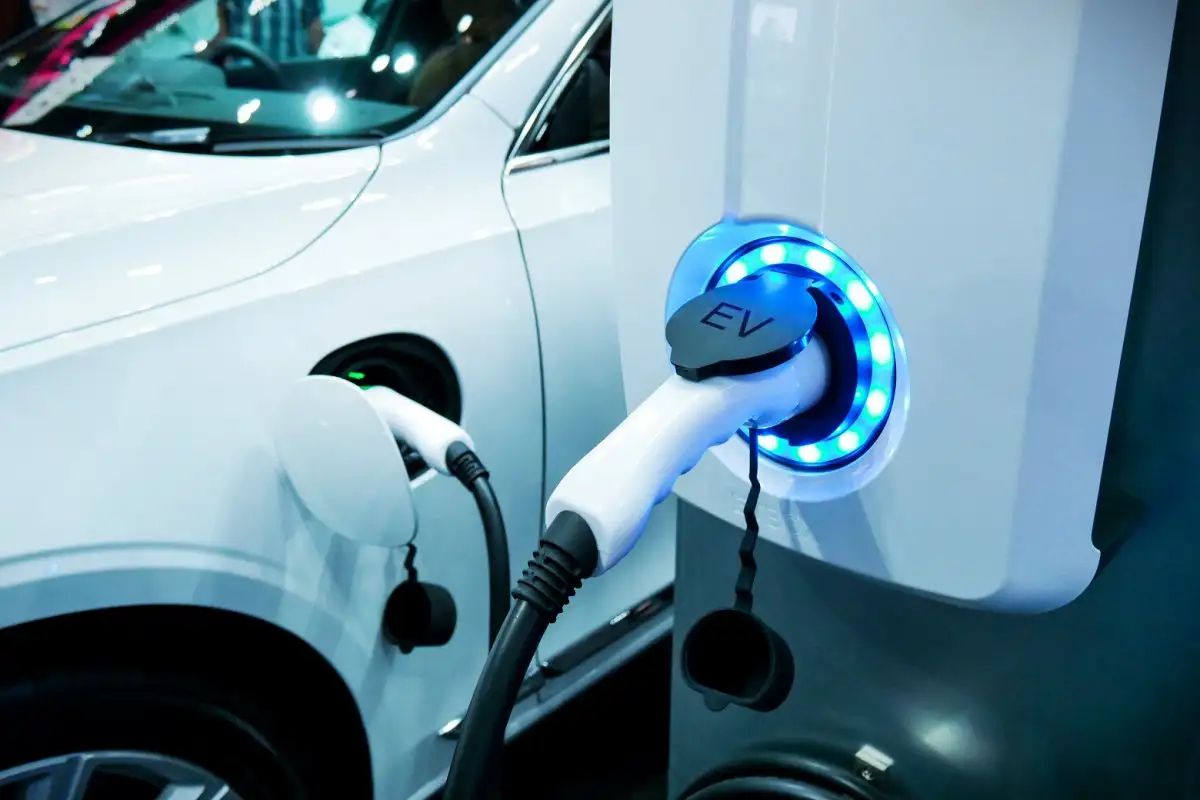
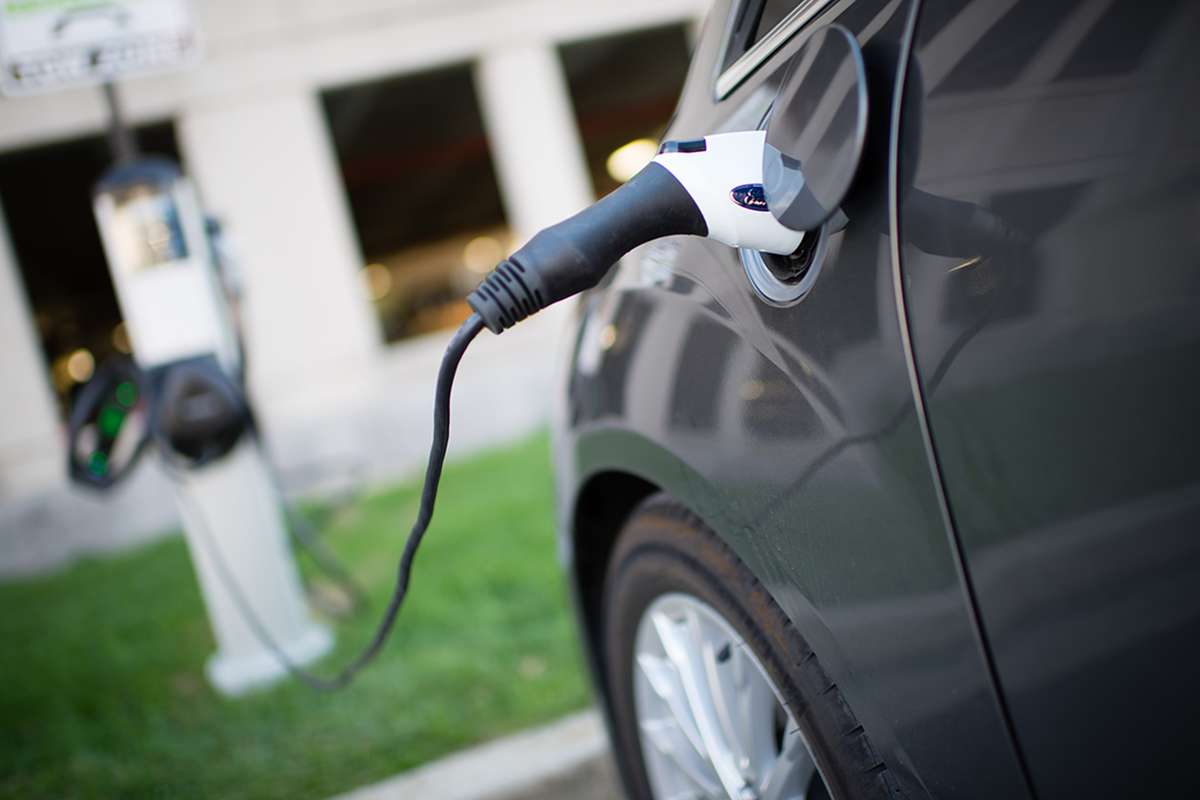
• Plug-ins are built with the same technology of today’s “normal” hybrids except that they have the additional advantage of charging the battery through an electrical outlet. The batteries in plug-in hybrids are larger and more powerful enabling the plug-in to travel further on batteries alone.

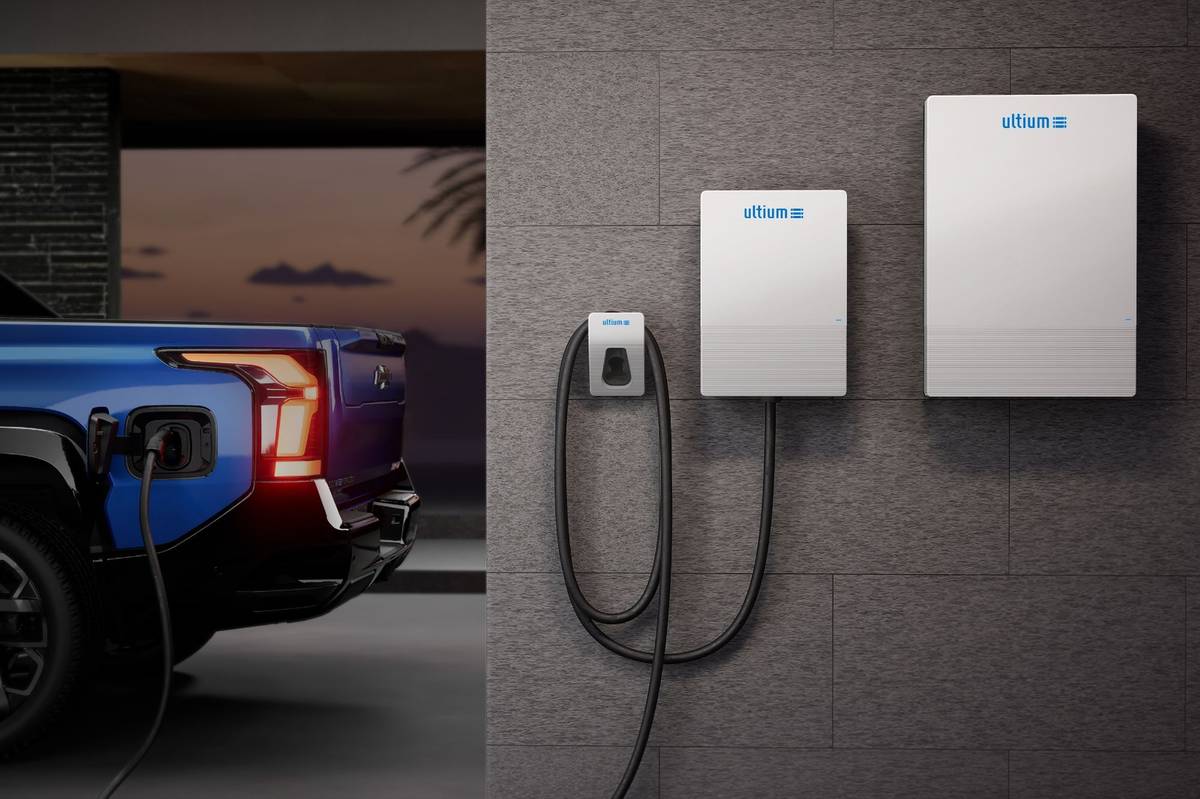
• Most plug-in battery charging would take place at night when power plants have lower load levels.

• Once the battery gets low (trips beyond 60 miles), a small and fuel-efficient gasoline engine takes over.

• If one only drives short distances, Plug-in hybrids could get as much as 180 miles/gallon.

> Hybrid Car Cutaway

  • Source:  U.S. Department of Energy  (http://www.eere.energy.gov/cleancities/hev/hev_parallel.html)


    Why Plug-in Hybrids are Getting Major Traction


    • Plug-in hybrids appear economically feasible and are able to utilize existing technology—we will not need to re-tool the entire transportation sector. It simply takes cheap and available off-peak electricity from the grid and substitutes it for gasoline on the highway.

    • The idea is supported by a broad political coalition—ranging from national security hawks to hard core environmentalists

    • The broad political support base, plus the Bush Administration’s emphasis on reducing oil use, will provide encouragement to plug-in hybrid developers and give the technology some additional momentum.

    • World events since 9/11 also serve as continual reminders that dependence on unstable foreign nations for our oil supply jeopardizes our economy and national security.


    Key Benefits of a Move to Plug-in Hybrids


    • Plug-ins bridge the gulf between grid power supplies and liquid transportation fuels and create many new options for more fully utilizing domestic energy resources and moving toward real energy independence, at least where oil is concerned.

    • Allows coal, gas, and nuclear power plants to become a source of motor vehicle power—the U.S. is self-sufficient in both coal and uranium

    • Could sharply reduce U.S. dependence on imported oil

    • Lower oil/gasoline demand could allow ethanol and biofuels to make a much bigger positive impact

    • Using plug-in hybrids can reduce emissions because it is much easier and more effective to regulate emissions from a few dozen power plants than it is to retrofit several million personal vehicles. Basically, plug-in hybrids move vehicle emission regulations upstream where points of regulatory influence are more concentrated.

    • Because nighttime battery charging would occur when most power plants have surplus generation capacity, few new power plants would need to be built to accommodate thousands of plug-in hybrids. If plug-in cars win mainstream acceptance, the electric power industry would be able to plan for and construct new power plants as the need for more electricity grows

    • A 20-mile trip in a plug in hybrid releases only 7 pounds of CO2 emissions (assuming that its batteries were charged with power made from coal), versus 24 pounds of CO2 emissions for a conventional gasoline powered car that gets 20 miles per gallon.

    • Plug-in hybrids now have performance similar to that of a conventional car. One vehicle researchers tested accelerated from 0-60 MPH in less than 9 seconds. The car was able to sustain a top speed of 97 MPH, and for short periods could hit 120 MPH.


    Plug-in Problems


    • Plug-in hybrids are not likely to become attractive until the country suffers serious economic pain (think “sustained $3.00/gallon or higher gasoline prices)

    • Adding the plug-in feature to a hybrid car will raise its price of a car or truck by $4,000 to $6,000 with present technology

    • Advanced lithium batteries large enough to power a plug-in hybrid are thought to be 3-5 years away from commercialization.

    • Large-scale battery manufacture and disposal could create environmental problems. However, according to hybridcars.com, battery packs are designed to last between 150,000-200,000 miles. Most hybrid car manufacturers’ warranties cover battery packs for between 8 and 10 years. Nickel-metal hydride batteries are considered safe, unlike the earlier nickel-cadmium rechargeable batteries.

    • While hybrids can help reduce our oil demand, large-scale battery production could also create new import dependencies. Nickel for the nickel-metal hydride batteries comes primarily from Canada, Russia and Australia. Lithium is produced in the U.S., but the leading producers are Chile and Argentina.


    The Future


    Researchers are now pursuing an idea called “vehicle-to-grid,” (VG2) whereby plug-in hybrids charge their batteries at night with relatively inexpensive, off-peak electrical power and are then plugged back in during the day while their owners are at work or are otherwise not driving. Electric utilities can then tap into the cars’ battery packs to help meet peak daytime power demand. On-board systems would prevent the cars’ batteries from being drained beyond a point programmed by the owner.

    Once enough plug-in hybrids are in use, their batteries can to some degree supplant large fossil fuel fired turbines that utilities must keep spinning during the day in order to meet sudden demand surges. This is key because the coal and nuclear plants that provide 40-percent of the United States’ baseload power cannot be rapidly ramped up and as a result, produce large power surpluses during non-peak times.V2G technology takes cheap and abundant off-peak power and allows it to be brought back into the system to meet daytime peak power demands in the place of extra daytime fossil fuel generators. According to a 2001 study by AC Propulsion, if automakers were to make 1 million next-generation V2G vehicles by 2020, they could generate up to 10,000 megawatts of electricity - about the capacity of 20 average-size power plants.

    V2G could also improve hybrid vehicle economics because utilities would pay owners as much as $2,000-3,000/year for the use of their vehicles’ storage capacity. This sum would within two years erase the estimated price differential between regular hybrids and their plug-in cousins.

    The U.S. Department of Energy is also investigating ways to hybridize large trucks and other heavy vehicles. Prototypes of municipal buses and fire trucks are already in the testing phase and if the technology proves commercially adaptable to heavy vehicles, researchers intend to apply it to a wide range of trucks and other large vehicles. Diesel-electric railroad locomotives are already hybrids, and given their fuel efficiency per ton/mile, it makes sense to use diesel-electric propulsion for road cargo haulers as well.

    Useful Plug-in Hybrid Links


  •  
    [Home] [Energy Bridges] [Oil] [Natural Gas] [Coal] [Nuclear] [Renewables] [Search] [Contact Us]
       Copyright 2005 All right reserved. Last Update: 3/9/2006 8:04:51 PM