


Local communities have a significant role to play in accelerating the adoption of critical distributed energy resources (DERs) for both…
Be part of Renewable Energy Community

Join Us in Making a DifferenceVolunteer

Empower Change Through Responsible RecyclingTake Action Initiative

Take a step towards a responsible and sustainable energy futureLearn
Renewable Energy News

Investing in a Solar Energy System is the Solution Communities Need to Achieve Energy Resilience
Local communities have.
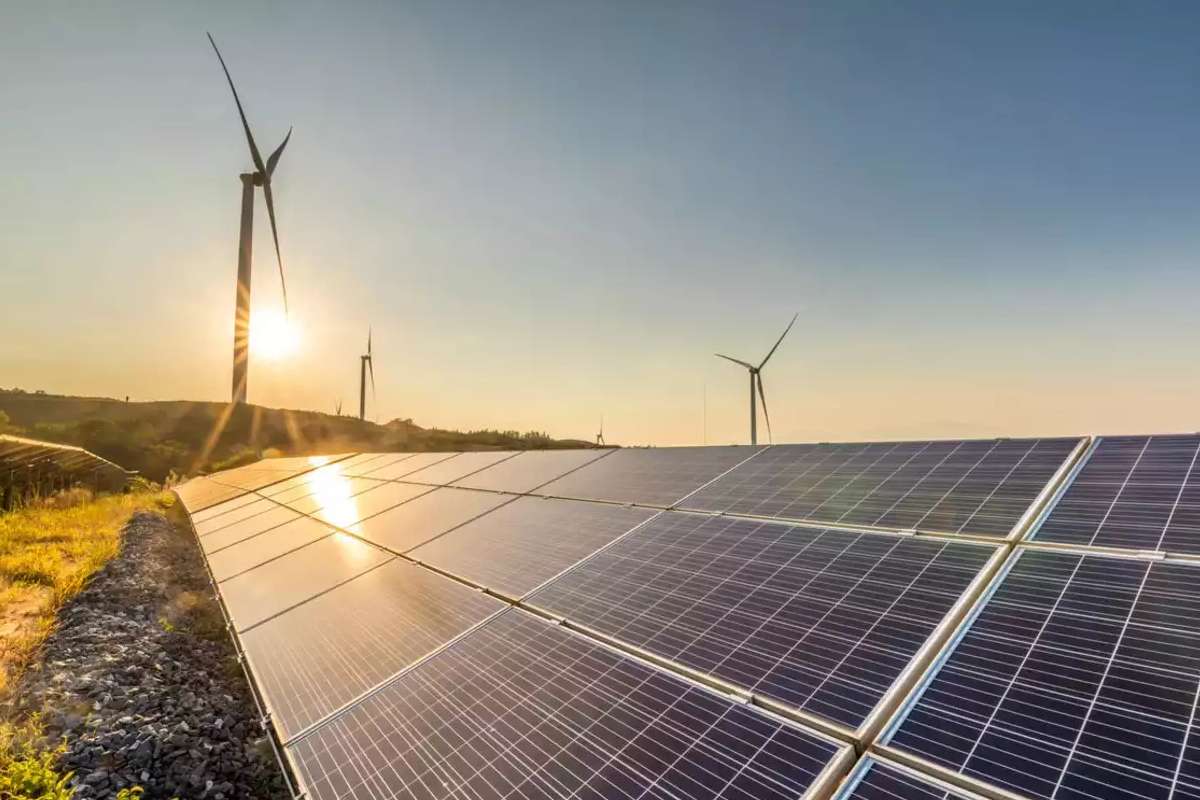
Wind and Solar Forecast to Reach 33% Global Power Share by 2030
The trajectory of.

Solar Railways Could Be the Solution to Emission from Train Travels
In a remarkable.
From Our Latest Research

7 Cannabis Waste Reduction and Recycling Tips Every THCA Pre-Roll User Should Know
Reducing cannabis waste starts with three simple actions: choosing reusable accessories, composting organic plant material, and properly recycling packaging materials. These steps can cut your cannabis-related waste by up to 70% while helping you make the most of every product you purchase, including best THCA pre-rolls.
The cannabis industry generates significant packaging waste, from single-use plastic tubes to mylar bags and cardboard boxes. When you enjoy pre-rolls, you’re often left with paper tips, roach material, and containers that seem destined for the landfill…
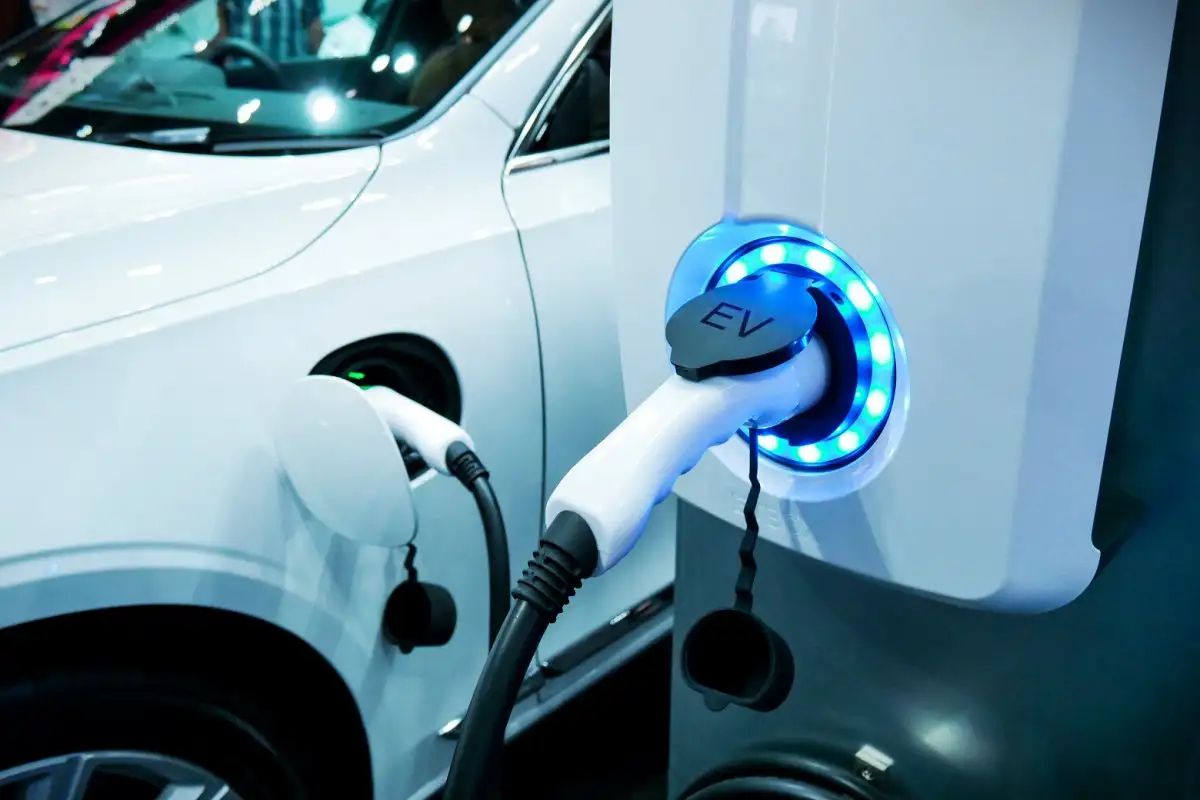
Electric Grid’s Challenge: Adapting to a World of 100% Electric Vehicles
One of the remarkable features of today’s EVs is their support for automatic off-peak charging. With this functionality, EV owners can set specific times for charging that correspond to utility-defined off-peak hours.
In many regions, a scenario where the entire EV fleet charges overnight is conceivable without necessitating additional power generation infrastructure. This aligns with the utility’s goal …
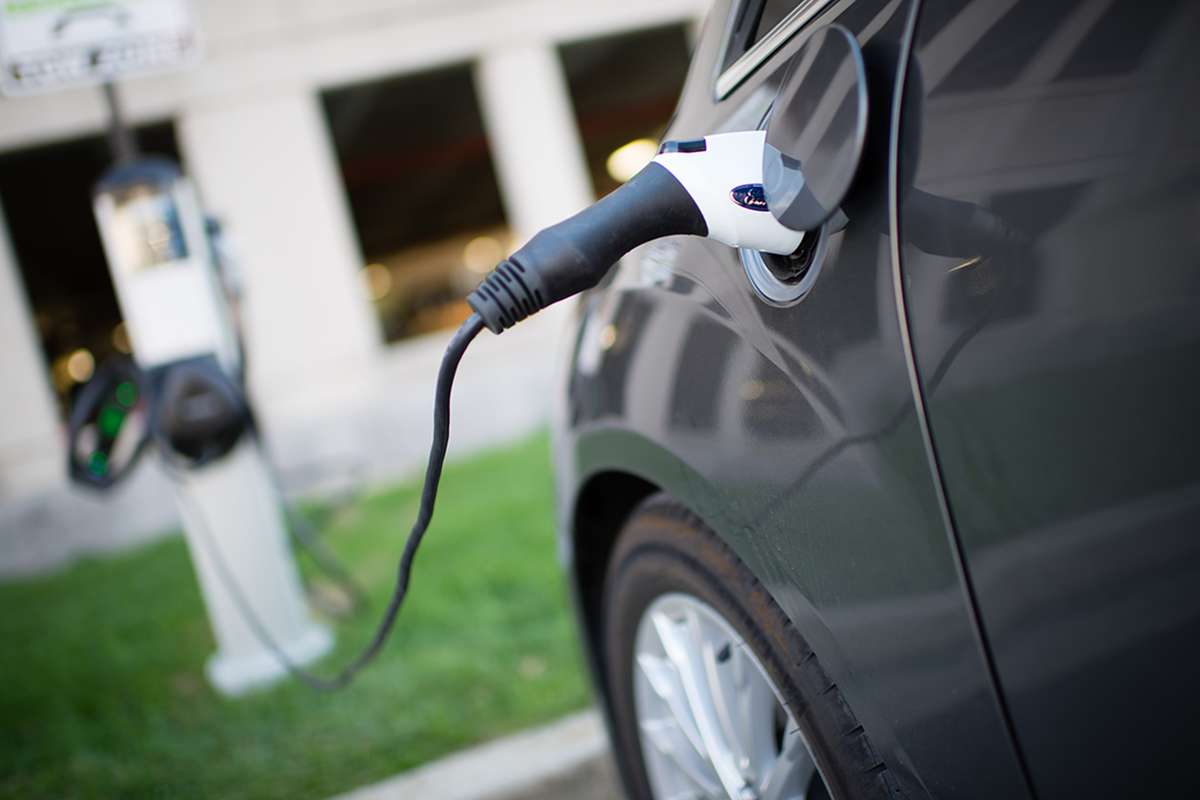
European Union Enacts Law for More Electric Vehicle Chargers
The European Union has taken a significant step towards promoting electric mobility by introducing a new law that ensures seamless travel for electric vehicle (EV) owners across member states.
This legislation is aimed at facilitating the growth of EV charging infrastructure…

Beating the Heat: Tips to Keep Your Pets Cool During a Heatwave
As Europe faces scorching heatwaves, ensuring the well-being of our beloved pets is a concern. Just like humans, animals can suffer from heat-related issues, making it essential to take steps to protect them during extreme temperatures.
Hydration and shade are paramount for pets. Just as people are urged to drink water and avoid prolonged exposure to high temperatures, the same principles apply to animals. Adjusting daily routines, including walks, is necessary during oppressive heat. …