
CARE Home PageSearch CAREContact Us


  Renewables - Wind Renewables - Solar Renewables - Geothermal Renewables - Biomass Renewables - Hydropower Renewables - Hydrogen Renewables - Ethanol
 
  Hydrogen

Hydrogen is nearly an ideal fuel because its only products of combustion are water and some nitrogen oxides. Unfortunately, hydrogen is very reactive and does not exist in a pure state in Earth. It must be taken from another source, such as natural gas, coal, oil, or water. Therefore, hydrogen is actually an energy carrier (like a battery), rather than an energy source.

CARE'S POSITION

Some scientists call hydrogen "the wonder fuel" because they wonder how it can ever be made for practical energy use. While hydrogen possesses great potential and exciting possibilities for clean energy use, it also faces an extraordinary number of not-so-small obstacles.

CARE supports continued research and development of hydrogen as a fuel source. However, CARE believes that hydrogen is greatly misunderstood by the public. Anti-development activists have led Americans to believe that hydrogen energy can become a reality in the near future. That kind of rhetoric is highly irresponsible. In spite of its great potential, hydrogen power may never become practical for wide-scale use.

WHAT IT IS

  • Hydrogen is the simplest element known to man. Each atom of hydrogen has only one proton and one electron. It is also the most plentiful gas in the universe. Stars are made primarily of hydrogen.
  • The sun is a giant ball of hydrogen and helium gases. Inside the sun, hydrogen atoms combine to form helium atoms. This process-called fusion-gives off radiant energy.
  • Hydrogen as a gas (H2) doesn't exist on earth. It is always mixed with other elements. Combined with oxygen, it is water (H2O). When combined with carbon, it makes different compounds such as methane (CH4), coal, and petroleum. Hydrogen is also found in all growing things-biomass.

HOW IT WORKS

  • Since hydrogen doesn't exist on earth as a gas, we must strip it from other sources. It's currently very expensive to make hydrogen, so it is not a viable energy source-requiring significantly more energy to produce than it delivers. However, new technologies are being developed all the time.
  • Hydrogen can be produced at large central facilities or at small plants for local use. Every region of the country (and the world) has some resource that can be used to make hydrogen. Its flexibility is one of its main advantages.

PROS

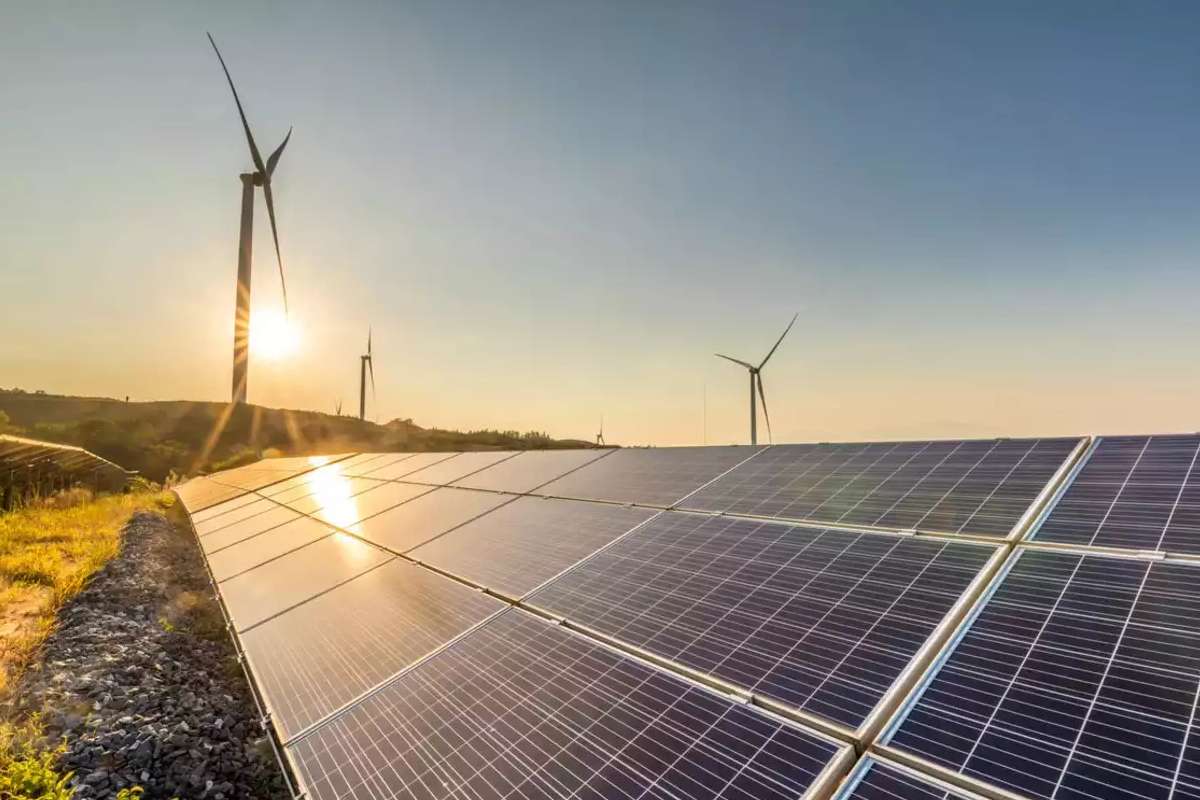
  • Hydrogen is a clean energy carrier (like electricity) that can be made from many resources including renewables, nuclear power and fossil fuels
  • If scientists can figure out how make hydrogen economically viable, large-scale use would reduce our dependence on foreign oil while at the same time reduce our emission of greenhouse gases and other pollutants.

CONS

  • Multiple technological breakthroughs must be made before hydrogen becomes a viable energy resource
  • The most economical way to produce hydrogen is by using natural gas as a feedstock. Therefore, a valuable energy resource is expended to create another.
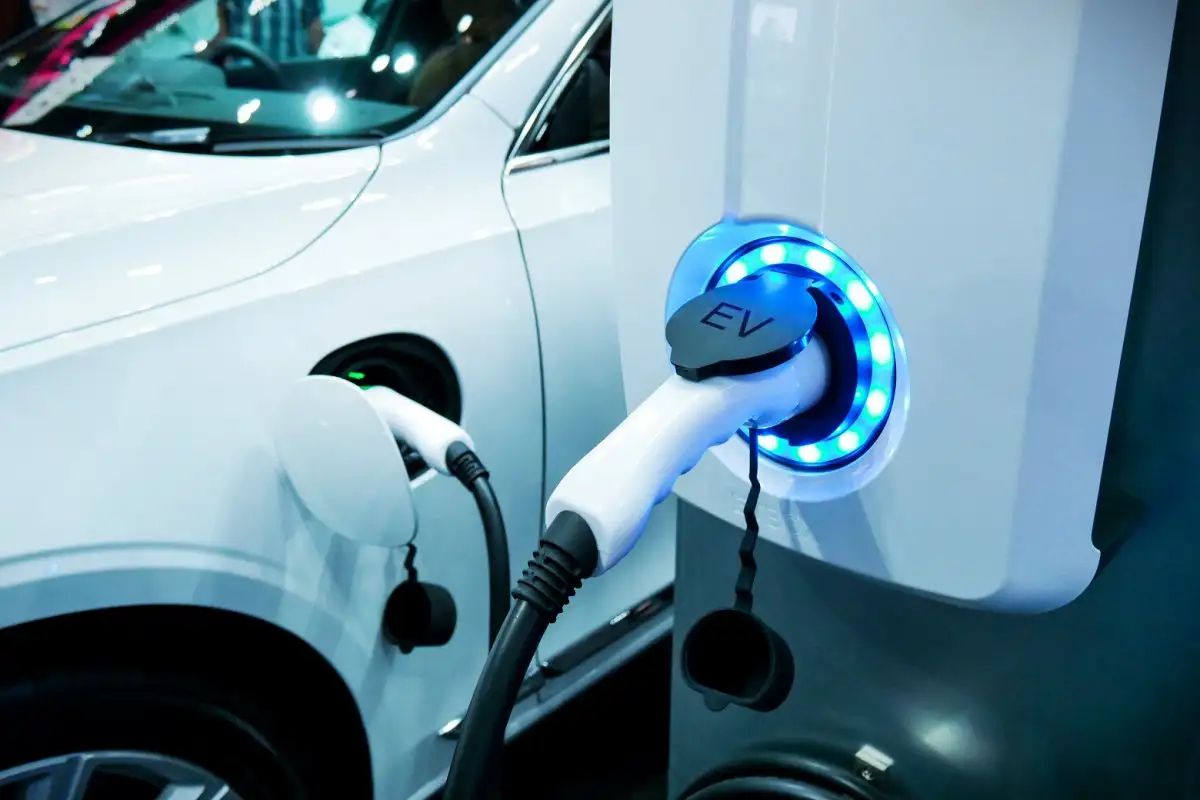
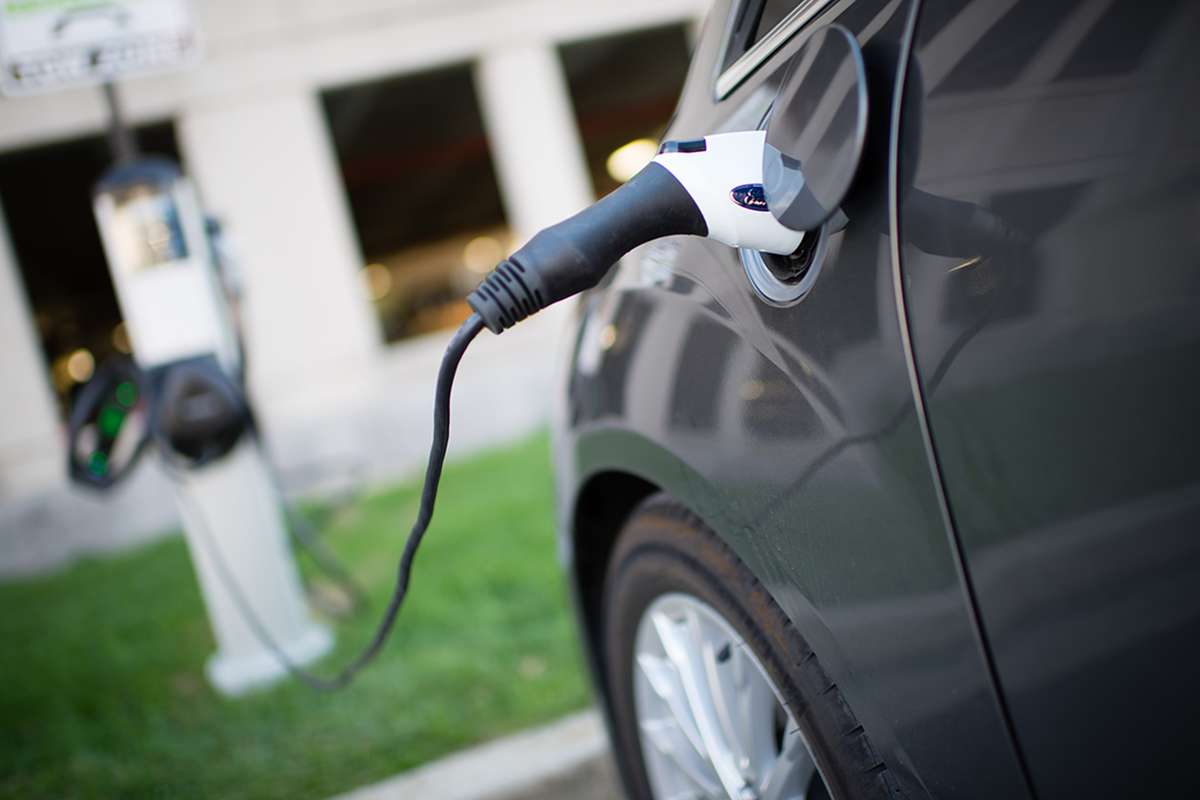
  • Even if scientists can figure out a way to make hydrogen use economically feasible for use in cars and trucks, there is currently no delivery system in place. The Union of Concerned Scientists estimates creating such a system would cost upwards of three trillion dollars
  • The only way to make hydrogen environmentally friendly is to produce it through electricity generated by wind, solar, hydro-electric or nuclear power
  • Hydrogen is a volatile gas with high energy content. Allowing citizens to pump the hydrogen gas into their vehicles presents a multitude of safety issues. Having large numbers of hydrogen-fueled cars on our roads and highways also presents many safety hazards, some that have probably not even been imagined.
  • Another obstacle to using hydrogen in cars is a phenomenon known as "hydrogen embrittlement." Under high pressure and temperature hydrogen atoms flow into the intermolecular spaces in steel causing the metal to become brittle. In a hydrogen-powered car the entire engine might need to be replaced several times over the life of the vehicle

THE FUTURE

  • Before hydrogen becomes a significant fuel in the U.S. energy picture, many new systems must be built. We will need systems to make hydrogen, store it, and move it. We will need pipelines and economical fuel cells. And consumers will need the technology and the education to use it.
  • The U.S. Department of Energy has a stated goal of producing ten percent of our energy from hydrogen by the year 2030. Many scientists would call that goal overly ambitious and possibly even irresponsible.
  • Far too many uncertainties currently exist to reasonably predict the viability of hydrogen as a fuel source for the future.
 
[Home] [Energy Bridges] [Oil] [Natural Gas] [Coal] [Nuclear] [Renewables] [Search] [Contact Us]
   Copyright 2005 All right reserved. Last Update: 5/14/2010 9:32:59 AM