
CARE Home PageSearch CAREContact Us


  Renewables - Wind Renewables - Solar Renewables - Geothermal Renewables - Biomass Renewables - Hydropower Renewables - Hydrogen Renewables - Ethanol
 
  Solar

Every source of energy on Earth ultimately came from or comes from the sun. The sun's heat and light were necessary to grow the plant and animal life that were deposited millions of years ago to become oil, coal, and natural gas. The sun heats the earth's surface unevenly, which results in wind. The sun causes water to evaporate and then fall in the form of rain and snow on mountains, which creates the downward flow necessary for hydro-power. Tidal, geothermal, fission, fusion, chemical and cosmic radiation energy don't rely directly on the sun, but there are many significant in-direct influences. Besides, without the sun what would it matter? No life could exist and there would be no need for energy.

Solar energy is clean, abundant, widespread, and renewable. However, harnessing the power of the sun has proven to be a significant obstacle. Solar energy constitutes 0.1% of energy consumption in the United States.

CARE'S POSITION

Without question, solar power is the largest untapped energy resource known to man. Frustratingly, scientists have not been able to figure out ways in which to utilize the sun's enormous power for practical, affordable wide-ranging uses. Solar power has found many valuable niche uses such as rural areas and wireless outdoor lighting, it is not yet widely avaialble as a commercial power source.

CARE supports continued research and development of solar power. However, we caution people to not be deceived by organizations that speak as if solar power will soon be a major contributor to our energy needs. Fostering such hopes at this time is not only dishonest, but dangerous.

WHAT IT IS

The heat, light and radiation earth receives from the sun is energy in its most primary form. Although this energy is given to us in great abundance, the challenge is in harnessing it for practical uses. Unlike fossil fuels that contain "stored" energy, solar power, like other renewable energy sources, must be captured.

HOW IT WORKS

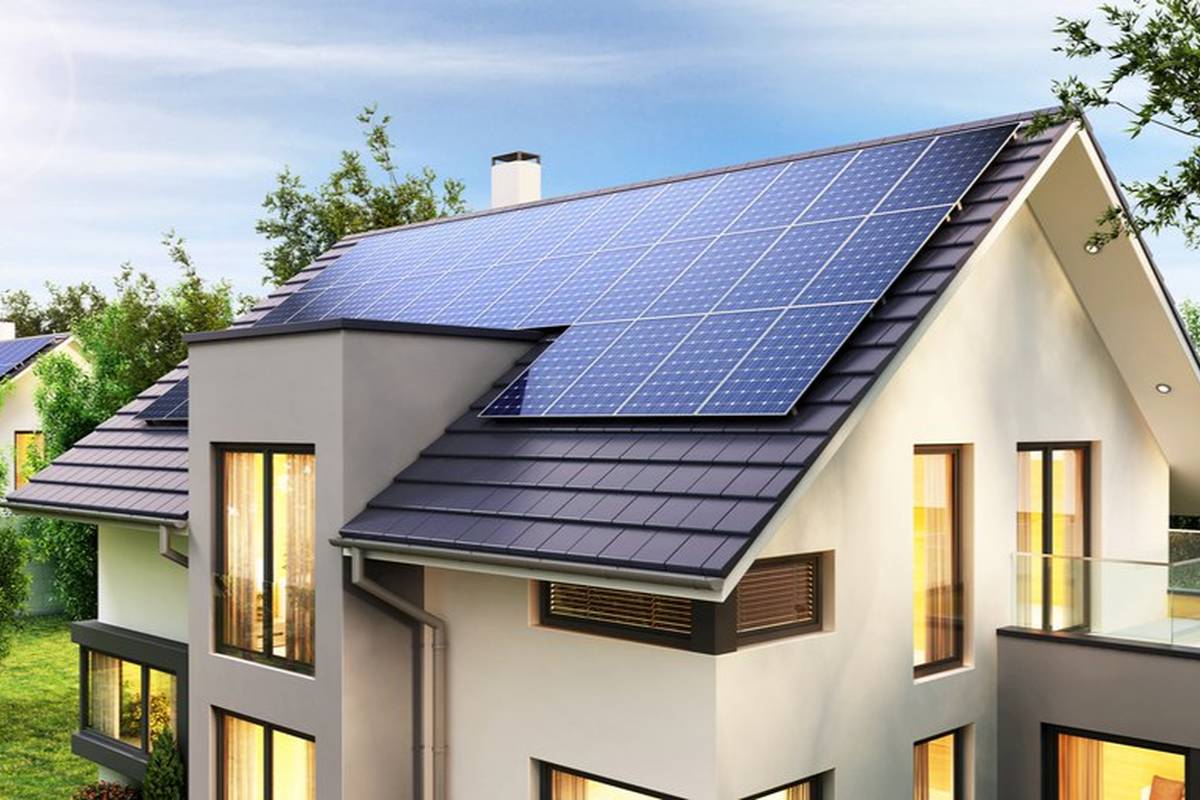
Most commonly, solar cells (photovoltaics) convert sunlight into electricity. As photons hit semiconductor materials they free electrons. These electrons then collect on the surface of the solar cell, which creates a temperature difference between the material on the surface (typically silicon) and the material on the back. The result is an electrical current that is channeled by wires attached to each surface.

Various technologies capture solar energy, concentrate it, store it, and convert it into other useful forms of energy:

  • Low-grade thermal energy more commonly known as "passive solar" is utilized in the heating of homes and businesses
  • Medium-grade thermal energy runs some industrial processes
  • High-grade thermal drives turbines to generate electricity
  • Electrical energy, which is converted directly from sunlight, provides electricity for a wide variety of applications

PROS

  • It has enormous potential, bombarding us with more energy than we could possibly need
  • Solar power emits no greenhouse gasses, however, manufacturing of solar-capturing equipment does
  • Solar powered devices are ideal for providing energy to isolated areas where transmission lines are impractical

CONS

  • Solar cells do not work at night, therefore they must be combined with batteries, which greatly decreases consistency, efficiency and cost-effectiveness
  • Because solar power is inconsistent, large-scale use presents problems for the electrical grid
  • Solar generating facilities are impractical. It would take hundreds of square miles of solar panels to replace an average nuclear power plant

THE FUTURE

The success of solar power is dependent on what can be done to make it more consistent. What do we do when the sun goes down? Auxiliary systems that store the sun's energy can be built, but such storage systems are unavailable today. Additionally, we currently don't know how to store electricity in a cost effective manner. Simple storage systems, such as water pipes surrounded by a vacuum do exist. It is based on the concept that provided the pipes are insulated, the water will store thermal energy.

The ocean is a natural reservoir of solar power and could be used as a source for thermal energy. If warm water can be drawn from the surface and cold water from the depths, an ocean thermal plant could conceivably operate 24 hours a day. Cuban George Claude tested this idea in 1930 and had some success. However, the idea is still impractical.

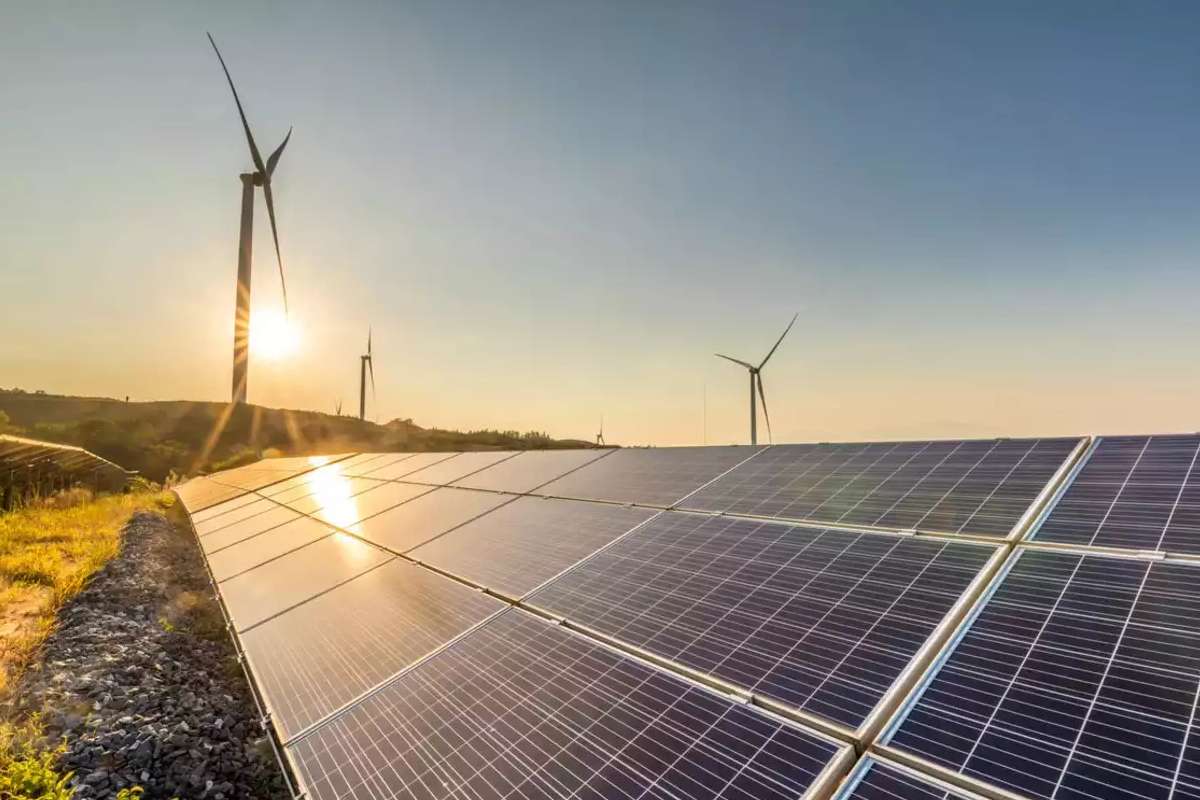
Hybrid systems do exist. Wyoming has a system that holds back water on a neighboring hydroelectric plant when the wind is blowing, which allows the wind to turn the turbines. However, such systems require unique circumstances, therefore they have only limited potential

Research on photovoltaic technology continues, and solar power is increasingly more efficient.

Research also continues on how to manufacture rechargeable batteries that hold a charge longer.

 
[Home] [Energy Bridges] [Oil] [Natural Gas] [Coal] [Nuclear] [Renewables] [Search] [Contact Us]
   Copyright 2005 All right reserved. Last Update: 12/4/2005 9:50:07 PM